 Europe Warehouse Stock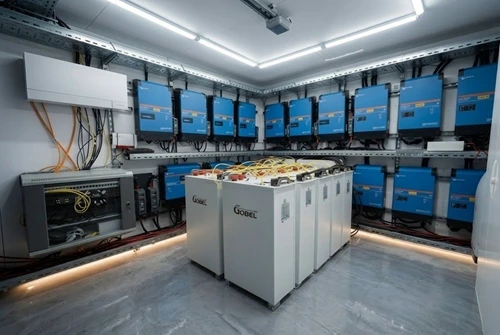

valence
Lithium Battery Supplier-

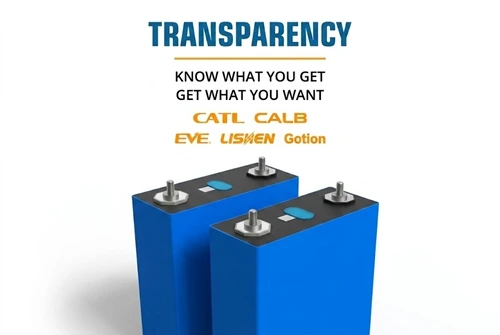
EU Stock Cornex Grade A 3.2V 314Ah Rechargeable LiFePO4 Battery Cell
13% OFF Ship from China US$74.50
-
EU Stock Grade A Cornex 3.2V 314AhRechargeable LiFePO4 Battery Cell
18% OFF Ship from China Get Price
-

EU Stock EV Grade A EVE 3.2V 314Ah MB31 Rechargeable LiFePO4 Battery Cell
11% OFF Ship from China US$80.00
-

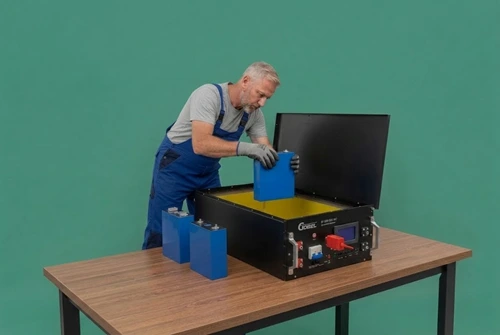
51.2V 16S LiFePO4 Battery Pack DIY Kit Case with JK BMS WIFI Function
Ship from China US$458.00
-

51.2V 314Ah LiFePO4 Battery DIY Kit 16S 16kWh with JKBMS Smart BMS, WiFi Remote Monitoring and Cells
Ship from China US$1,592.00
-

Gobel Power GP-PB5-32K 32.15kWh 51.2V 628Ah LiFePO4 Energy Storage Battery
Ship from China US$4,200.00
-
Cornex Grade A 3.2V 314Ah Rechargeable LiFePO4 Battery Cell
Ship from China US$68.00
-

Gobel Power GP-WP1-16K 16kWh 51.2V 314Ah Outdoor LiFePO4 Battery
Ship from China US$2,660.00
-

Gobel Power GP-SR1-PC314 Premium 51.2V 314Ah 16kWh LiFePO4 Server Rack Battery
Ship from China US$3,430.00


-

Solution Solar Battery DIY Parts -

Solution Solar Battery
After last summer’s power bills shocked me, I installed a home solar battery beside my inverter, mainly to stop buying expensive electricity from the grid each evening at dinner.
The setup was less intimidating than expected. An electrician mounted the battery, connected the solar panels and energy monitor, then walked me through backup settings, charging windows, and phone app.
I chose a lithium iron phosphate battery because I wanted safe, quiet storage rather than another noisy generator. The installer also explained how valence affects battery chemistry and usable capacity.
My biggest surprise came on the first full week. The battery charged from rooftop solar by lunchtime, held its charge, and supplied the house through our expensive evening rate period.
Before installation, I regularly ran the dishwasher, heat pump, and kitchen appliances after work, when electricity cost the most. Now the battery covers that stretch without noticeable changes at all.
My monthly bill fell from roughly $190 to $82 during sunny months. That is not total energy independence, but saving about $108 each month feels real, especially because evening routine barely changed.
I did have one minor troubleshooting moment. One morning the app showed the battery at zero percent, even though the panels were producing power. I panicked, assuming something had failed.
It turned out a software update had temporarily paused charging. I restarted the inverter, checked the breaker, and waited. Within ten minutes, solar generation resumed and the battery began charging.
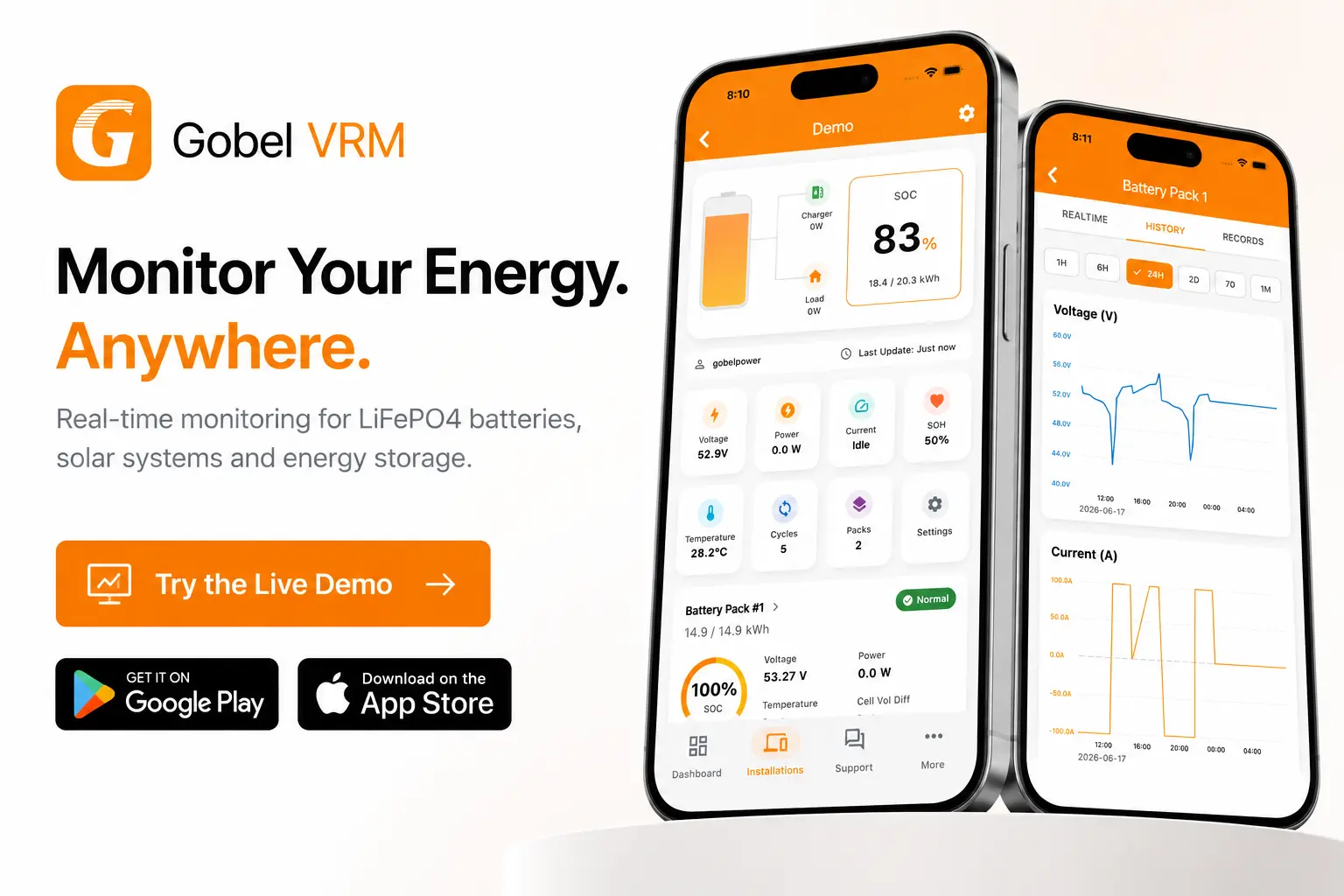
Since then, the battery management system has stayed steady, and I can compare solar production with grid imports on the living-room app after dinner without guesswork or spreadsheets.
For me, the value is not having a futuristic gadget. It is quietly shifting solar energy into the hours when rates hurt most and making our budget easier to manage.