 Europe Warehouse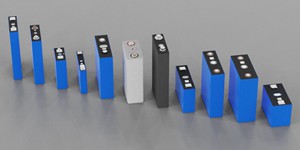



LIFEPO4 105AH BATTERY CELLS
Lithium Battery Supplier-
![Wholesale CATL 3.2V 240Ah LiFePO4 Lithium Battery Cell]()
CATL 3.2V 240Ah LiFePO4 Lithium Battery Cell
Ship from China Get Price
-
![Wholesale CATL 3.2V 271Ah LiFePO4 Lithium Battery Cell]()
CATL 3.2V 271Ah LiFePO4 Lithium Battery Cell
Ship from China Get Price
-
![Wholesale CALB 3.2V 100Ah LiFePO4 Lithium Battery Cell Wholesale]()
CALB 3.2V 100Ah LiFePO4 Lithium Battery Cell Wholesale
Ship from China Get Price
-
![Wholesale HiStar 3.2V 100Ah LiFePO4 Lithium Battery Cell Distributor]()
HiStar 3.2V 100Ah LiFePO4 Lithium Battery Cell Distributor
Ship from China Get Price
-
![Wholesale EVE Garde A+ 230Ah 3.2V Rechargeable Prismatic LiFePO4 Battery Cell]()
EVE Garde A+ 230Ah 3.2V Rechargeable Prismatic LiFePO4 Battery Cell
Ship from China US$56.00


-
![Solar Inverter]()
Solution Solar Inverter -
![Spare Parts]()
Solution Spare Parts


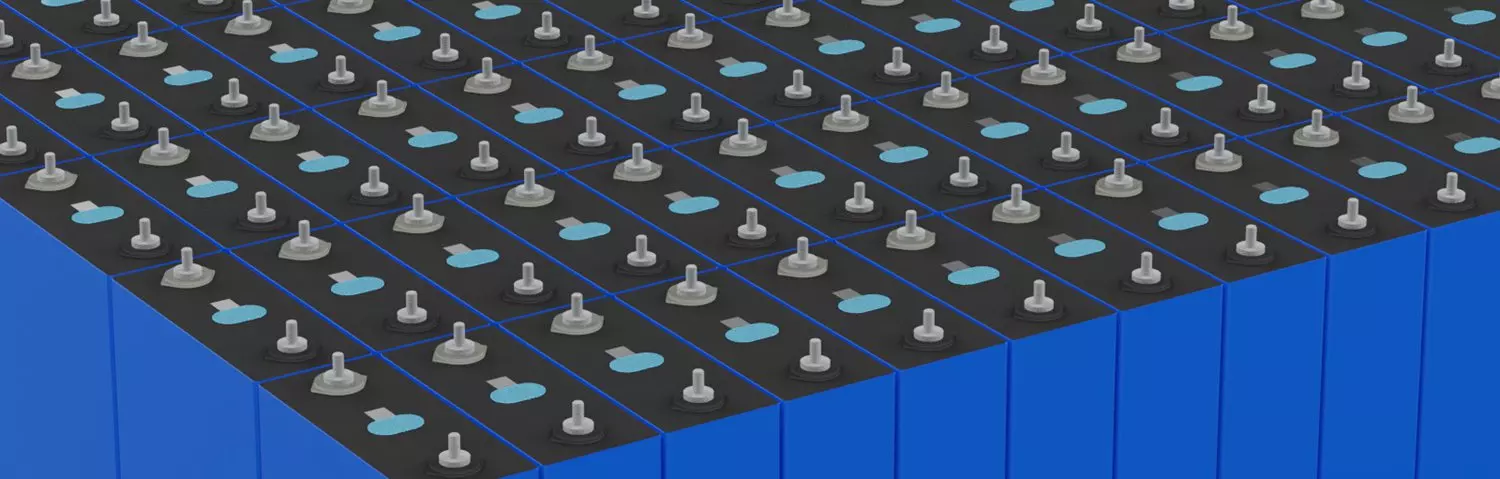
		Lifepo4 105Ah battery cells are a premium choice for eco-friendly energy storage solutions. These cutting-edge batteries are designed to provide long-lasting, reliable power for a wide range of applications.

The 105Ah capacity of these Lifepo4 battery cells allows for extended operational hours, making them an excellent option for residential, commercial, and industrial use cases. With a high energy density, these batteries offer an impressive power-to-weight ratio, making them ideal for applications where space and weight are limited.

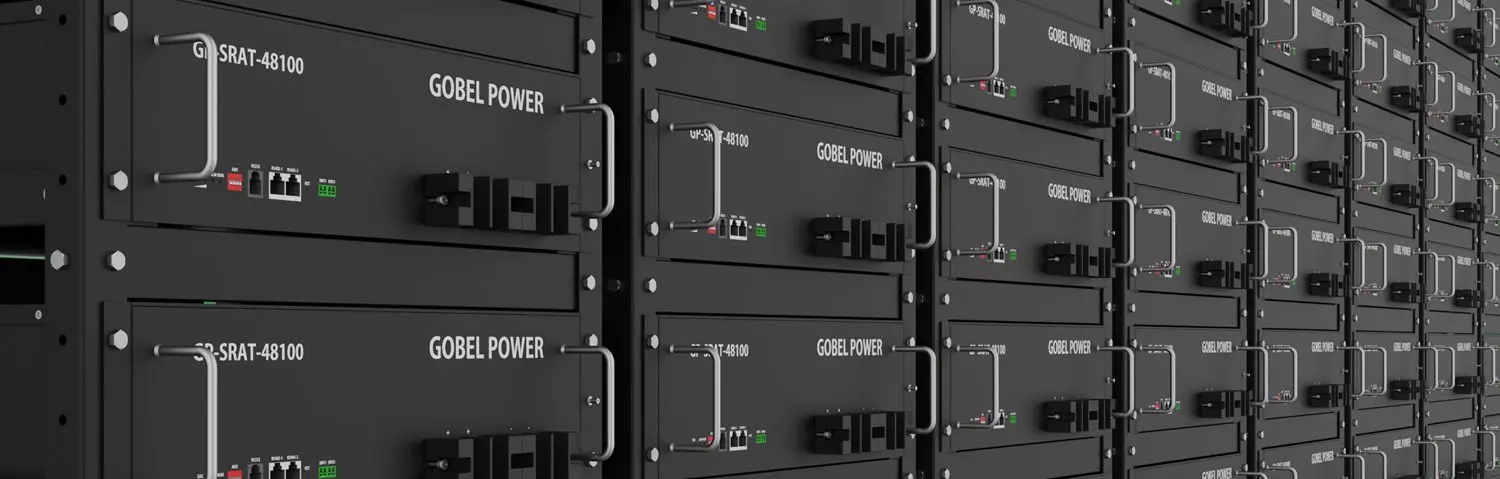
Built with safety and durability in mind, Lifepo4 105Ah battery cells feature a robust construction that ensures reliable performance and safety. Equipped with an internal BMS (Battery Management System), these batteries provide real-time monitoring and protection against overcharge, over-discharge, and short circuits.

The Lifepo4 chemistry used in these battery cells offers several advantages over traditional lead-acid batteries. With a longer cycle life, Lifepo4 batteries can handle repeated charge and discharge cycles without losing capacity or performance. Additionally, they have a higher energy density, allowing more power to be stored in a smaller footprint.

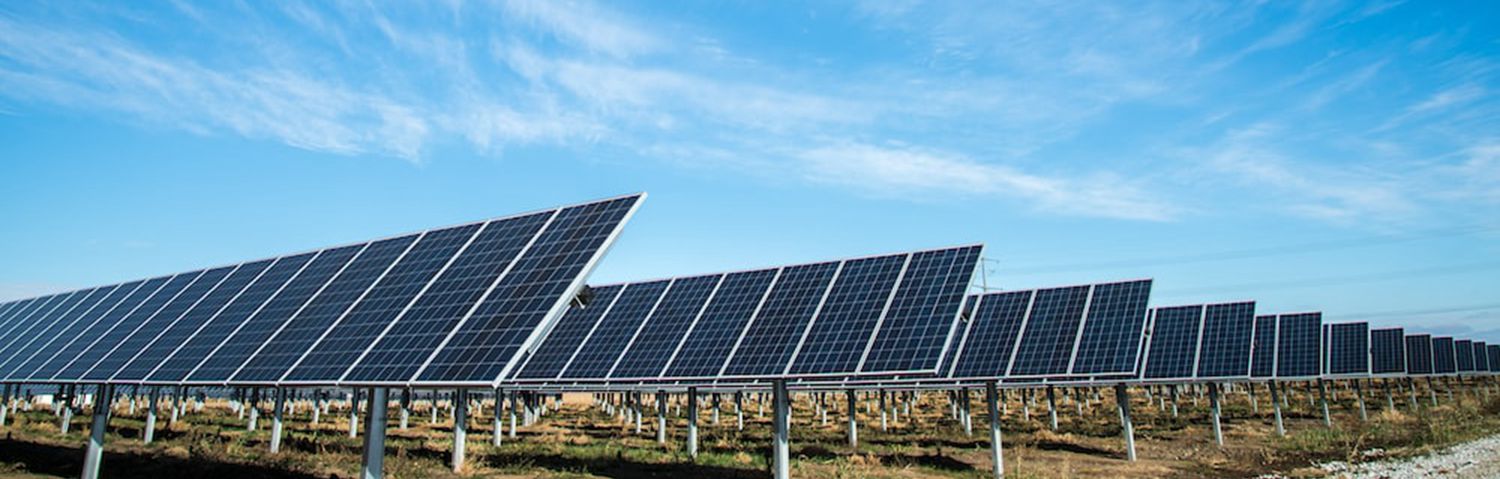
The eco-friendly nature of Lifepo4 105Ah battery cells makes them an attractive option for environmentally conscious businesses and individuals. With a lower carbon footprint and a reduced reliance on fossil fuels, these batteries contribute to a more sustainable energy future.

In summary, Lifepo4 105Ah battery cells are an excellent choice for those seeking reliable, eco-friendly energy storage solutions. Their high capacity, durable construction, and advanced safety features make them ideal for a wide range of applications. With their reduced environmental impact and extended lifespan, these batteries are poised to revolutionize the way we think about energy storage.