 Europe Warehouse Stock

li ion powerwall solar
Lithium Battery Supplier-

Gobel Power 51.2V 100Ah GP-SR3-PC100 LiFePO4 Server Rack Battery
Ship from China US$1,024.00
-

Grade A EVE 3.2V 314Ah MB31 Rechargeable LiFePO4 Battery Cell
12% OFF Ship from China US$70.00
-

Gobel Power Project X LiFePO4 Battery DIY Kit
Ship from China US$500.00
-

Gobel Power PC200B 51.2V LiFePO4 Battery Case DIY Kit With 314Ah Cells
Ship from China US$1,638.00
-

EU Stock EV Grade A EVE 3.2V 314Ah MB31 Rechargeable LiFePO4 Battery Cell
11% OFF Ship from China US$80.00
-

Gobel Power GP-SR1-PC314 Standard 51.2V 314Ah 16kWh LiFePO4 Server Rack Battery
Ship from China US$2,280.00
-

EU Stock Grade A Cornex 3.2V 314AhRechargeable LiFePO4 Battery Cell
18% OFF Ship from China Get Price
-

EU Stock - 51.2V Battery DIY Kit - 16kWh LiFePO4 Energy Storage System
Ship from China US$575.00


-

Solution LiFePO4 Battery Cell -

Solution Solar Battery
I installed a lithium battery storage system. Before adding the battery, my solar panels produced plenty of power at noon, but I still bought electricity after sunset. Now the battery charges during the day and runs our refrigerator, lights, and heat-pump water heater through the evening.
My utility bill jumped during peak hours, when rates were highest. Since installing this li ion powerwall solar setup, I have shifted much of that usage away from the grid. On a typical sunny weekday, I see the battery reach 100 percent by mid-afternoon, then discharge steadily until bedtime. The monthly savings are not dramatic every month—cloudy weather matters—but my bill is usually $40 to $60 lower than it was last year. The best month saved almost $80, which made the payback feel much more believable.
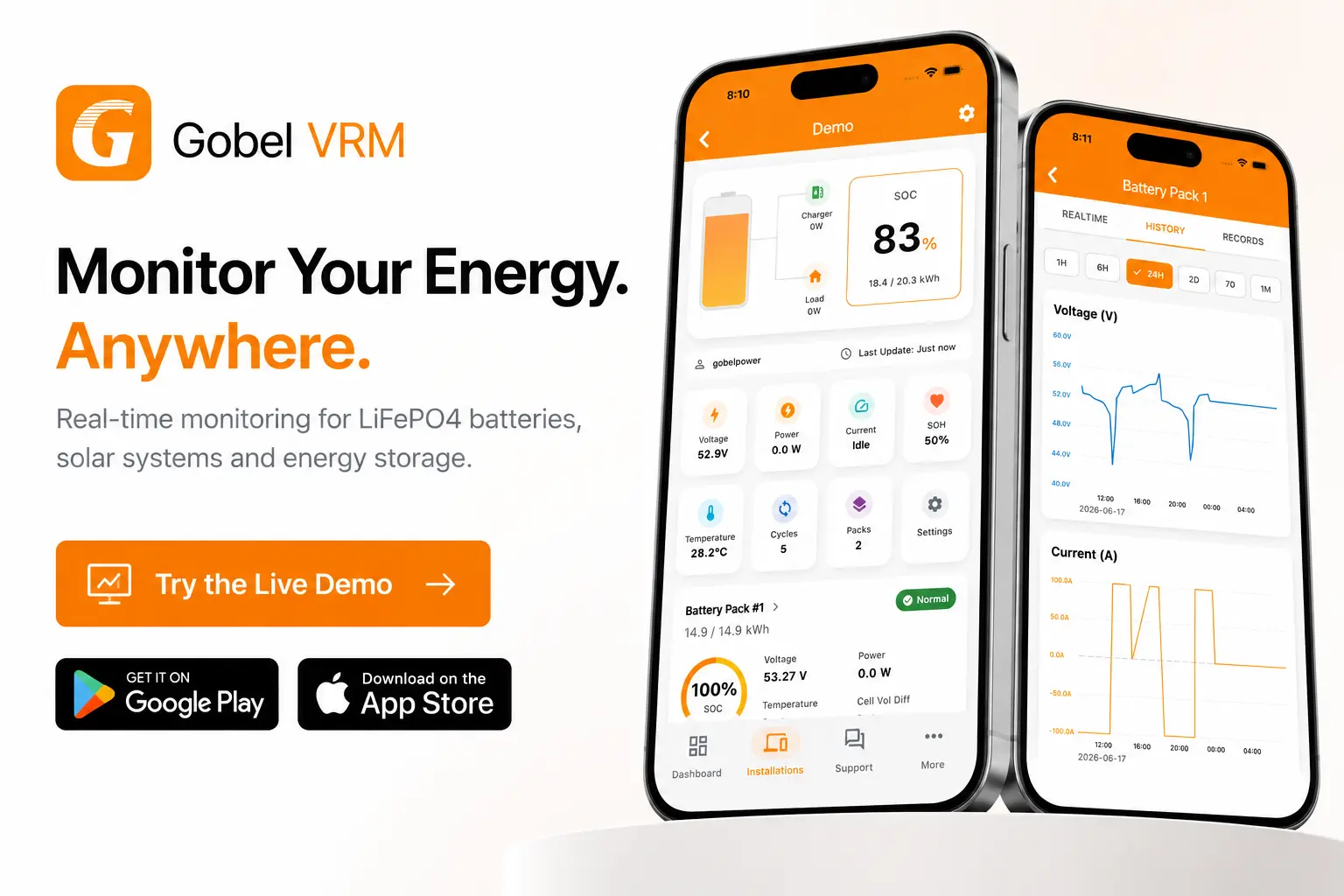
The one hiccup came during a heatwave. My battery stopped discharging at 20%, even though the house was using power. I initially thought something had failed, but the monitoring app showed backup reserve mode was enabled. I had accidentally set it high after a firmware update. Lowering the reserve to 10% fixed the issue immediately, and customer support confirmed the setting was protecting emergency backup capacity.
What I appreciate most is the quiet, automatic operation. I do not have to think about switching circuits or timing appliances. I check the solar battery app occasionally, mainly to compare solar production with household consumption. During outages, the powerwall has kept essential outlets running, although I avoid heavy loads like the clothes dryer.
For anyone comparing home energy storage options, I would pay attention to usable capacity, inverter efficiency, and warranty terms, not just headline capacity. My experience has been practical rather than flashy: solar self-consumption is higher, peak electricity purchases are lower, and the battery gives me a little more confidence when the grid acts up.