 Europe Warehouse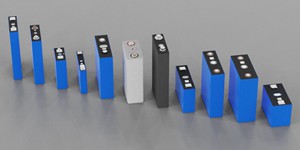


INVERTER GROWATT 3KW COMPATIBLE LIFEPO4 BATTERY
Lithium Battery Supplier-
![Wholesale USA Stock Gobel Power GP-SR1-PC200 48V 280Ah LiFePO4 Battery]()
USA Stock Gobel Power GP-SR1-PC200 48V 280Ah LiFePO4 Battery
Free Shipping Ship from China Get Price
-
![Wholesale Choose Your Battery Gobel Power GP-SR1-PC200 Standard 51.2V 280Ah 15kWh LiFePO4 Server Rack Battery]()
Choose Your Battery Gobel Power GP-SR1-PC200 Standard 51.2V 280Ah 15kWh LiFePO4 Server Rack Battery
Free Shipping Ship from China Get Price
-
![Wholesale EU Stock Gobel Power GP-SR1-PC200 48V 280Ah LiFePO4 Battery]()
EU Stock Gobel Power GP-SR1-PC200 48V 280Ah LiFePO4 Battery
Free Shipping Ship from China Get Price
-
![Wholesale Gobel Power 48V 100Ah LiFePO4 Server Rack Battery]()
Gobel Power 48V 100Ah LiFePO4 Server Rack Battery
Ship from China Get Price


-
![Lithium Battery Charger]()
Solution Lithium Battery Charger -
![LiFePO4 Battery Cell]()
Solution LiFePO4 Battery Cell


		Revolutionize Your Renewable Energy Needs with the Inverter Growatt 3kW LiFePO4 Battery

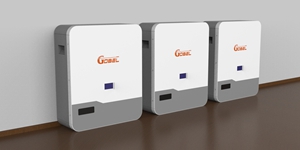
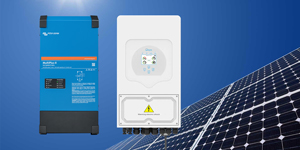
Empower your off-grid energy independence with the Inverter Growatt 3kW compatible LiFePO4 battery, a cutting-edge energy storage solution. This innovative battery pack is designed to work seamlessly with the Inverter Growatt 3kW, a powerful and efficient inverter that converts DC power from your solar panels into AC power for your home or office.

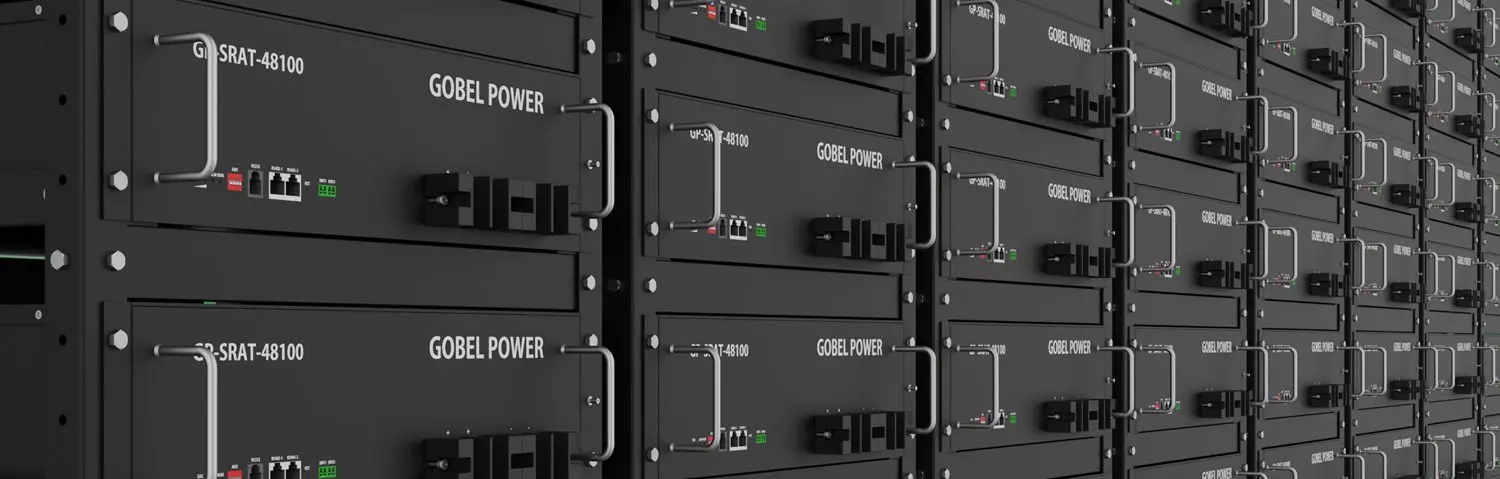
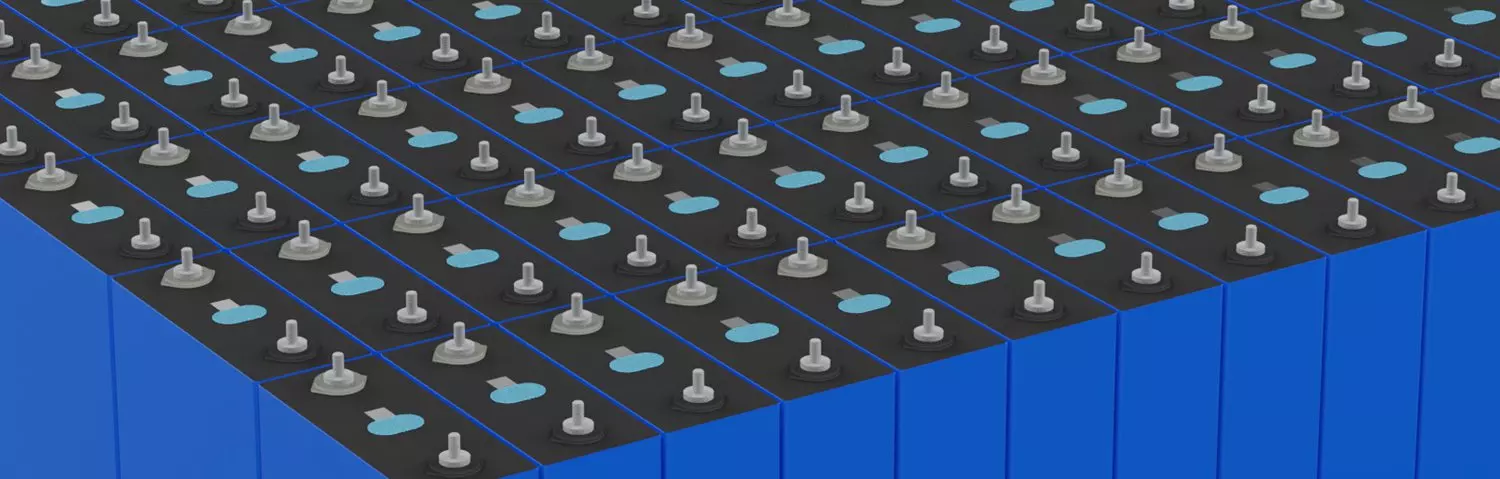
The LiFePO4 battery boasts impressive performance characteristics, including a long lifespan of up to 3,000 charge cycles, making it an excellent choice for homes, businesses, and industries seeking a reliable and cost-effective energy storage solution. The battery's advanced technology ensures higher energy density, lower self-discharge rates, and enhanced safety features, guaranteeing a worry-free experience.

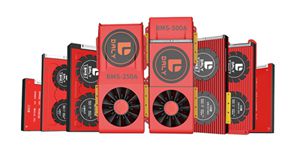
The Inverter Growatt 3kW LiFePO4 battery ensures seamless integration with the inverter, allowing for effortless monitoring and control of your energy usage. The battery's intelligent BMS (Battery Management System) ensures optimal performance, balancing charge and discharge cycles to prolong its lifespan and maximize performance.

The benefits of this Inverter Growatt 3kW compatible LiFePO4 battery are numerous:

* Increased energy independence and cost savings
* Enhanced grid stability and reliability
* Seamless integration with the Inverter Growatt 3kW for simplified monitoring and control
* Advanced safety features for peace of mind
* Long lifespan and low maintenance requirements

Upgrade your off-grid energy solutions with the Inverter Growatt 3kW compatible LiFePO4 battery, taking advantage of the latest advancements in energy storage technology. Experience the power of independence and sustainability with this revolutionary energy storage solution.