 Europe Warehouse Stock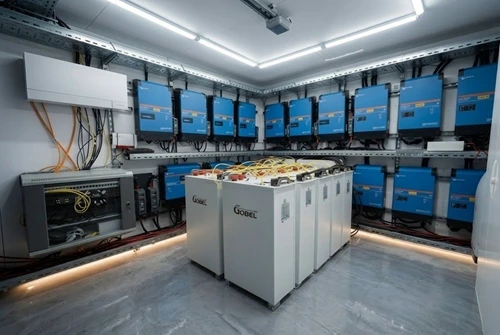

growatt inverter 3 phase 48V Battery
Lithium Battery Supplier-

51.2V 16S LiFePO4 Battery Pack DIY Kit Case with JK BMS WIFI Function
Ship from China US$458.00
-

Gobel Power Project X LiFePO4 Battery DIY Kit
Ship from China US$500.00
-

Gobel Power 51.2V 314Ah 16kWh LiFePO4 Floor-standing Battery
Ship from China US$1,960.00
-

Gobel Power Project X LiFePO4 Battery DIY Kit for EVE MB56 628Ah LiFePO4 Cells
Ship from China US$600.00
-

Gobel Power GP-WP1-16K 16kWh 51.2V 314Ah Outdoor LiFePO4 Battery
Ship from China US$2,660.00
-

Gobel Power GP-SR1-JK314 Standard 51.2V 314Ah 16kWh LiFePO4 Server Rack Battery
Ship from China US$2,204.00
-

EU Stock - 51.2V Battery DIY Kit - 16kWh LiFePO4 Energy Storage System
Ship from China US$575.00
-

Gobel Power GP-PB2-JK280 51.2V 280Ah 15kWh LiFePO4 Battery
Ship from China Get Price
-

Gobel Power 51.2V 100Ah GP-SR3-PC100 LiFePO4 Server Rack Battery
Ship from China US$1,024.00

-

Solution Solar Battery DIY Parts -

Solution Solar Battery
Running my evening routine has changed since I added a home solar battery. I used to watch the electricity meter climb after sunset, especially when the oven, heat pump, and water heater all switched on during peak pricing. Now the battery carries most of that load, and that has been the benefit for me.
My setup uses rooftop solar, a 10 kWh lithium battery, and a growatt inverter 3 phase 48V Battery system. Installation was straightforward. The installer spent most of the morning checking the main panel, fitting the battery cabinet, and setting the inverter’s charge and discharge schedule. I chose to charge from solar during the day and discharge from 4 p.m. until bedtime. On sunny days, the battery usually reaches full charge before lunch, although winter clouds can leave it around 60–70%.
The bill difference became obvious after the first month. Before storage, my evening usage was roughly 9–11 kWh a day. Now the solar battery supplies much of it, and my peak-hour consumption has fallen by about 70%. My monthly bill dropped from around $185 to $112, varying with weather and heating. I am not claiming the battery pays for itself quickly, but seeing less expensive grid energy on every statement makes the investment feel worthwhile.
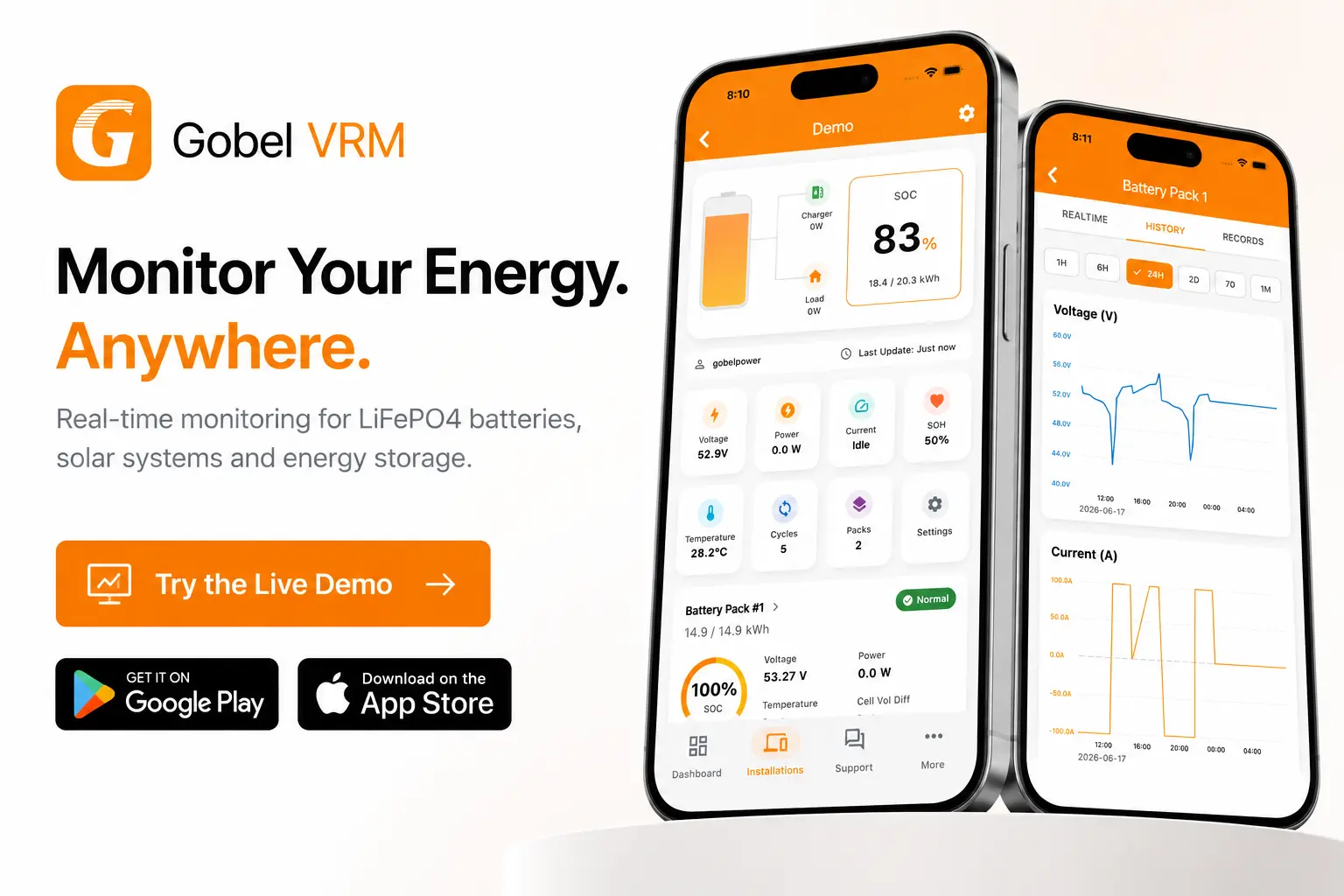
I did have one minor troubleshooting moment. The battery stopped discharging one evening while showing 48% charge. The monitoring app reported a grid protection event, which turned out to be a voltage fluctuation. After the grid stabilized, the inverter resumed automatically. I appreciated not needing to reset anything, though I called the installer to confirm the event was harmless.
So far, the real value is quiet, predictable backup during expensive hours—not dramatic overnight independence. I check the app occasionally, but otherwise the energy storage system simply works in the background.