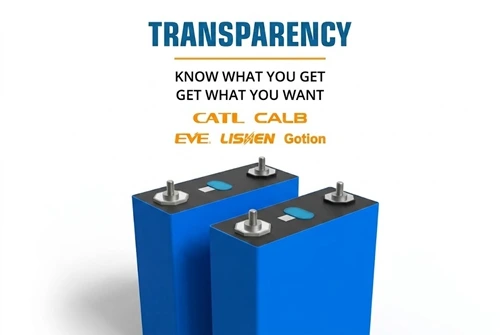
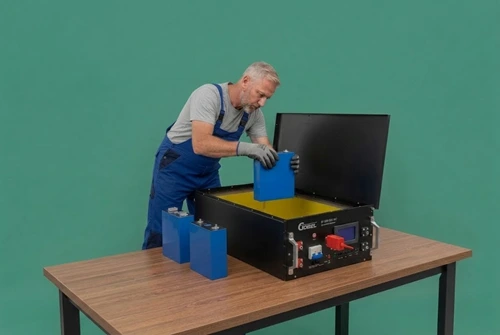
 Europe Warehouse Stock
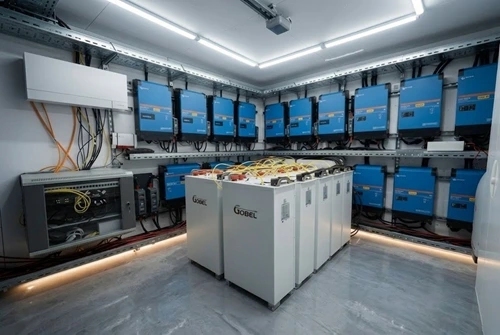

ehw5 cells
Lithium Battery Supplier-

Gobel Power GP-PB2-JK280 51.2V 280Ah 15kWh LiFePO4 Battery
Ship from China Get Price
-

EU Stock Gobel Project X 314 16kWh LiFePO4 Battery DIY Kit
Ship from China US$560.00
-

EU Stock Gobel Project Zeta 314 DIY Kit with Grade A 314Ah Cells 51.2V LiFePO4 Battery Case
20% OFF Ship from China US$1,599.00
-

48V 314Ah 16kWh LiFePO4 Battery Backup for Home
Ship from China Get Price
-

Gobel Project X 628 LiFePO4 Battery DIY Kit for EVE MB56 628Ah LiFePO4 Cells
Ship from China US$600.00
-

Grade A EVE MB31 3.2V LiFePO4 314Ah LiFePO4 Baterie Cell for Energy Battery Storage
7% OFF Ship from China US$74.00
-
EU Stock PowerFable 16 Server Rack Battery 16kWh for Home Backup
Ship from China US$2,264.00
-

PowerHarp 16 Whole House Battery Backup 16kWh LiFePO4
Ship from China Get Price
-

EU Stock Project Zeta 314 51.2V 16S LiFePO4 Battery Pack DIY Kit Case with JK BMS
23% OFF Ship from China US$515.00
-

EU Stock EVE MB56 3.2V 628Ah LiFePO4 Battery Cell 8000 Cycles
Ship from China US$146.00

-

Solution Solar Battery DIY Parts -

Solution Solar Inverter
Having our solar battery installed last summer, I expected the biggest benefit to be backup power. What surprised me more was how much it changed our evening electricity use.
Our utility charges the highest rate from 4 to 9 p.m., when we cook, run the dishwasher, and use lights. Before storage, those hours were the most expensive part of our bill. Now the solar panels fill the battery during the afternoon, and the inverter automatically switches us to stored energy after sunset.
The first month made me check the utility app because I thought something was wrong. Our bill dropped from roughly $186 to $119, even though our household use was about the same. That $67 difference is not dramatic every month, but it adds up, especially during hot weather when air-conditioning runs late into the evening.
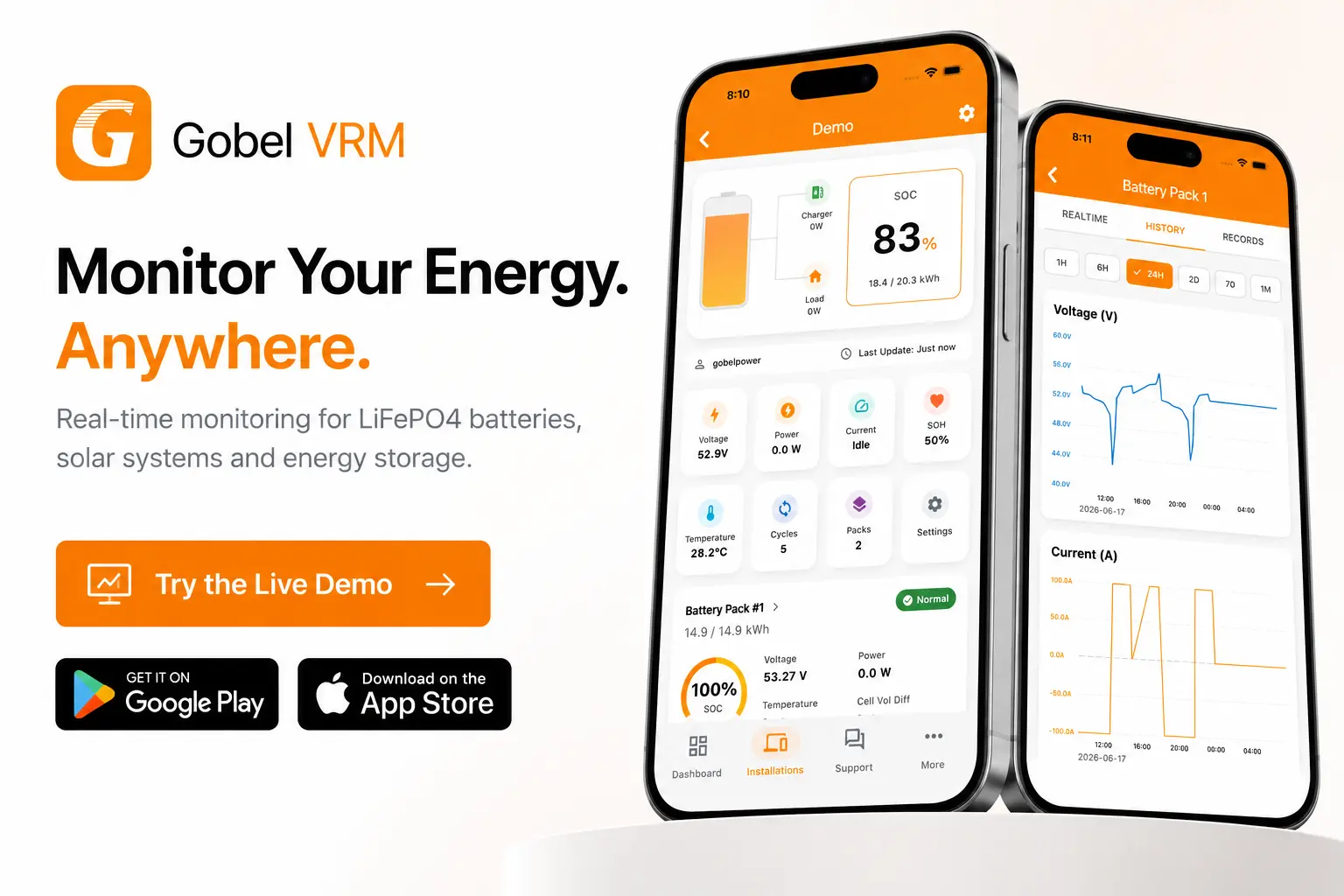
My frustrating moment came during a heatwave. The battery stopped discharging at 62%, and the monitoring app showed a communication warning. I restarted the gateway and checked the battery breaker, but nothing changed. Support identified a loose network connection and walked me through reseating the cable. It was back online in about ten minutes, with no lost power in the house.
I also spent time comparing battery chemistry and capacity before buying; the installer explained that ehw5 cells were part of the model's lithium iron phosphate design. I cannot verify that internally, but the system has stayed quiet, cool, and predictable.
For me, the real win is not total energy independence. It is using my own solar generation when grid electricity costs the most, while keeping a backup reserve. I still watch the state-of-charge level and adjust settings seasonally, but daily operation is basically hands-off. For anyone considering home energy storage, I would prioritize installer support and honest peak-rate calculations over flashy promises.