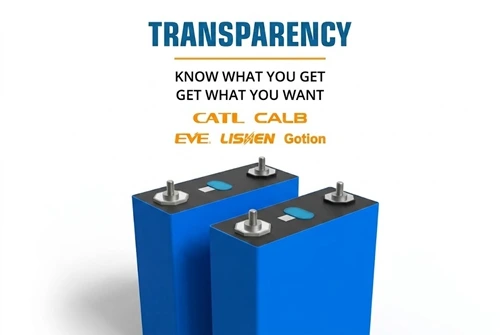
 Europe Warehouse Stock

batterie lithium camping car 300ah
Lithium Battery Supplier-

EU Stock Cornex Grade A 3.2V 314Ah Rechargeable LiFePO4 Battery Cell
11% OFF Ship from China US$76.50
-

Gobel Project X 314 16kWh LiFePO4 Battery DIY Kit
Ship from China US$500.00
-

Eu Stock Grade A LiShen 3.2V 314Ah LiFePO4 Battery Cell
22% OFF Ship from China Get Price
-

48V 314Ah 16kWh LiFePO4 Battery Backup for Home
Ship from China Get Price
-
Cornex Grade A 3.2V 314Ah Rechargeable LiFePO4 Battery Cell
Ship from China US$68.00
-

Grade A EVE MB31 3.2V LiFePO4 314Ah LiFePO4 Baterie Cell for Energy Battery Storage
7% OFF Ship from China US$74.00


-

Solution Solar Battery DIY Parts -

Solution Solar Inverter
After six months of using a home solar battery, I finally understand what people mean by “using sunshine twice.” My rooftop panels produce plenty during the afternoon, but the real difference comes after sunset, when the battery storage runs the house instead of the grid.
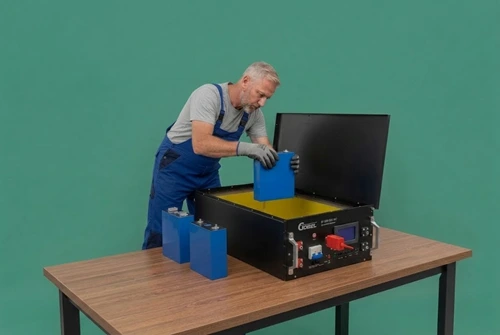
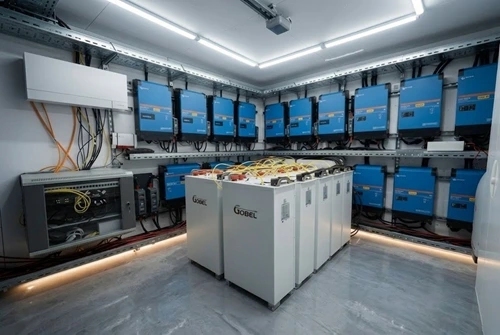
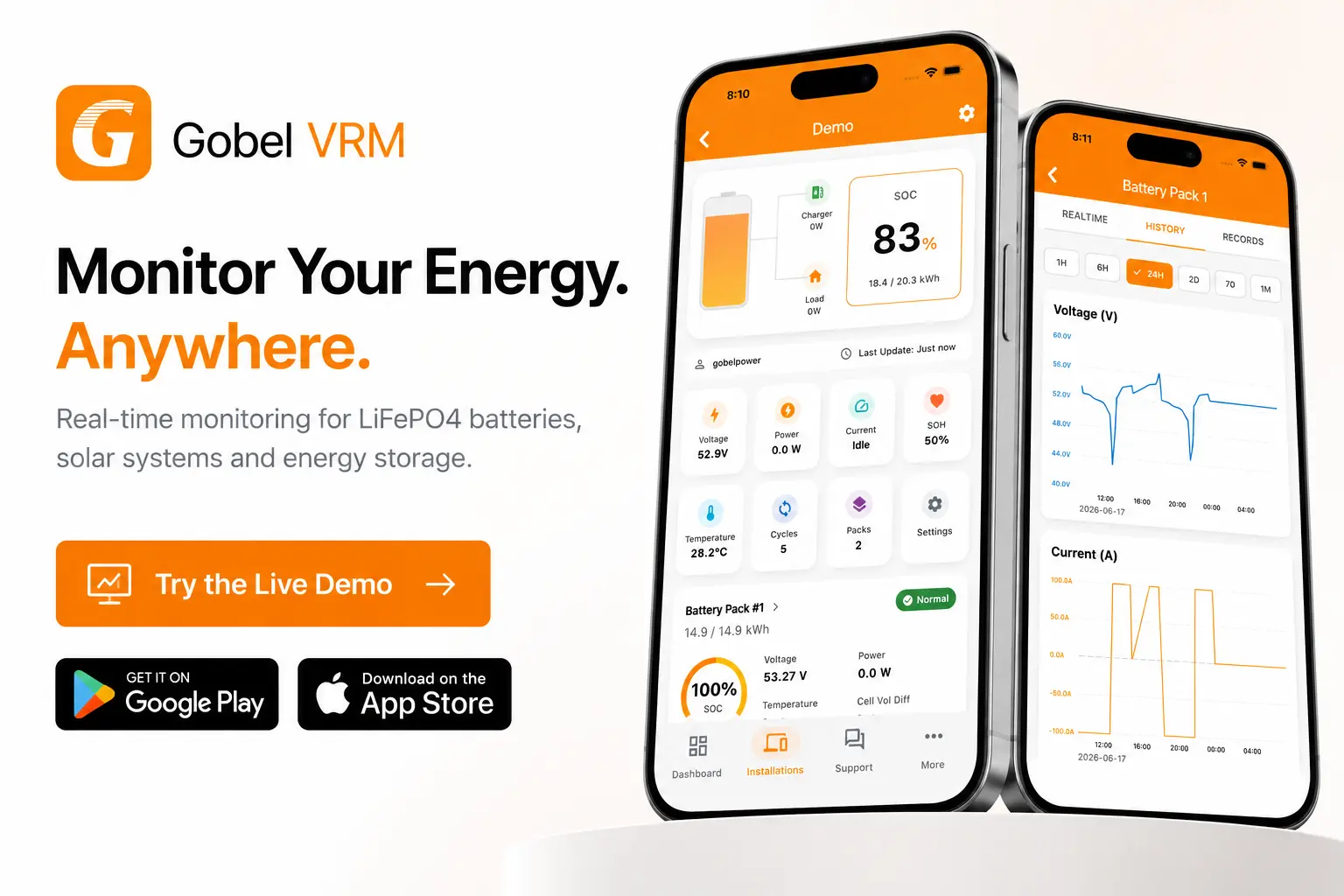
The installation took most of a Saturday, mainly because I wanted the inverter and battery cabinet mounted neatly in our utility room. I had already compared several lithium battery options online, including the search term “batterie lithium camping car 300ah,” although I ultimately chose a larger home solar battery designed for daily cycling. The installer connected it to my existing photovoltaic system, added a monitoring app, and explained the backup settings without making the process feel complicated.
The biggest practical benefit has been avoiding peak-hour electricity prices. Before installing the battery, our oven, heat pump, dishwasher, and evening lighting all pulled power from the grid between 5 and 9 p.m. Now the battery covers most of that period. In summer, our monthly bill dropped from about $145 to $58. In winter, the savings are smaller, usually around $35 to $50, because shorter days leave less solar energy available for charging. Even so, the battery pays for itself gradually, and I notice the savings every billing cycle.
One evening, the app showed the battery at 12 percent even though I expected closer to 25 percent. I found that the electric water heater had been switched to continuous operation by accident. After changing it back to its normal schedule, the battery behaved normally again. That small troubleshooting moment taught me to check household loads before blaming the inverter.
I also appreciate the quiet operation. There is no engine noise, fuel smell, or daily maintenance. During a short outage, the backup battery kept our refrigerator, router, lights, and a few outlets running without interruption. It has not made us completely independent from the grid, but it has made our energy use noticeably calmer, cheaper, and more predictable.