 Europe Warehouse Stock

3 kva inverter
Lithium Battery Supplier-

EVE Grade A 668Ah 2.15kWh LF668 3.2V Rechargeable LiFePO4 Battery Cell for Energy Storage Systems
Ship from China US$129.00
-

Gobel Power GP-SR1-PC314 Premium 51.2V 314Ah 16kWh LiFePO4 Server Rack Battery
Ship from China US$3,430.00
-

Gobel Power GP-PB5-32K 32.15kWh 51.2V 628Ah LiFePO4 Energy Storage Battery
Ship from China US$4,200.00
-

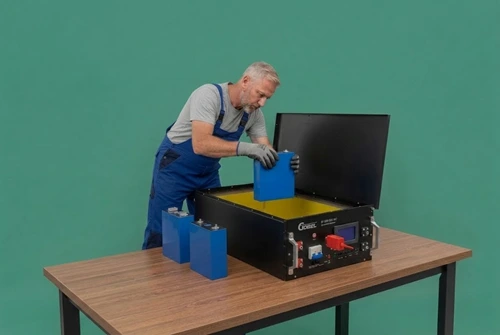
Gobel Power DIY Kit 51.2V 314Ah 280Ah Battery Case Kit with BMS Circuit Breaker
Ship from China US$458.00
-
Gobel Power GP-SR1-PC314 Standard 51.2V 314Ah 16kWh LiFePO4 Server Rack Battery
Ship from China US$2,280.00
-

Gobel Power GP-SR1-JK314 Standard 51.2V 314Ah 16kWh LiFePO4 Server Rack Battery
Ship from China US$2,204.00
-

EU Stock Grade A EVE 3.2V 314Ah MB31 Rechargeable LiFePO4 Battery Cell
Ship from China US$78.00
-

EU Stock Gobel Power 51.2V LiFePO4 Battery Case DIY Kit with Grade A 314Ah Cells
20% OFF Ship from China US$1,599.00
-

Gobel Power PC200B 51.2V LiFePO4 Battery Case DIY Kit
Ship from China US$518.00

-

Solution Solar Battery DIY Parts -

Solution Solar Battery
Keeping a closer eye on my electricity bill was the main reason I installed a solar battery system. I already had rooftop panels, but most of their power was produced around lunchtime, when our household used very little. The excess went back to the grid, while we bought electricity again in the evening at the highest time-of-use rate.
The battery storage changed that pattern immediately. During sunny afternoons, the panels now run the house and charge the battery. After dinner, the battery supplies power for lights, the refrigerator, Wi-Fi, television, and sometimes the washing machine. With my 3 kva inverter, I avoid running several heavy appliances together, but it handles our normal evening demand comfortably.
My monthly bill has dropped by roughly 35 to 45 percent, depending on the weather. The biggest savings come from using stored solar energy during peak hours instead of importing electricity. I still pay a small connection and supply charge, so the bill is not zero, but the difference is obvious. Before the battery, our expensive evening usage was frustrating; now I actually look forward to checking the meter.
The only annoying moment happened during a week of cloudy weather. The battery state of charge kept falling earlier than expected, and the inverter switched to grid power before bedtime. I eventually found that the backup reserve had been set too high after a firmware update. It was holding 30 percent capacity for outages, even though I had intended to keep only 15 percent. After adjusting that setting, the battery used more of its available capacity each night.
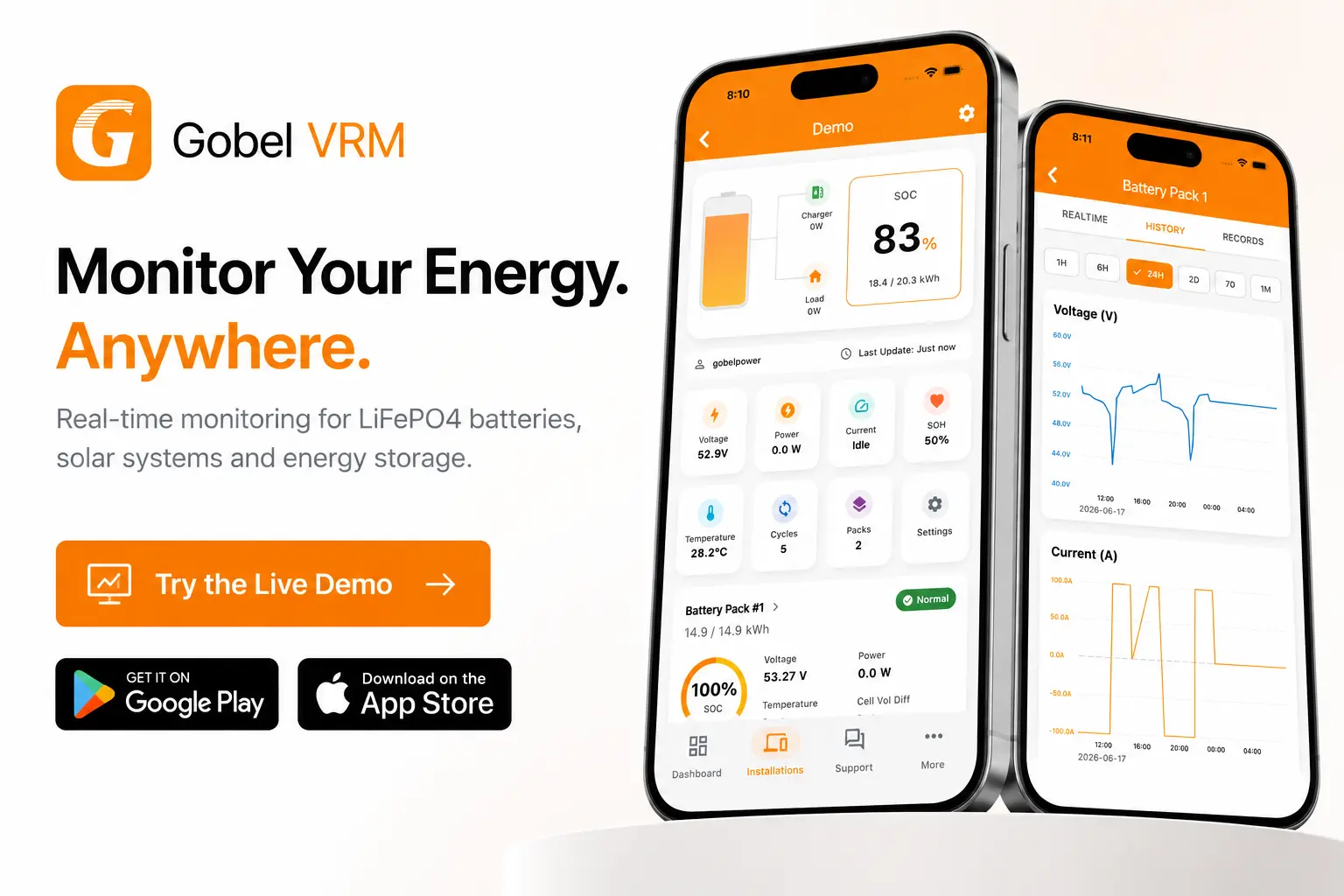
I particularly appreciate having that reserve available during power cuts, but I learned that battery settings matter as much as the equipment itself. I now check the solar monitoring app every few days and clean the panel area when needed. Overall, the system feels less like a gadget and more like a practical household appliance that quietly reduces our dependence on the grid.